

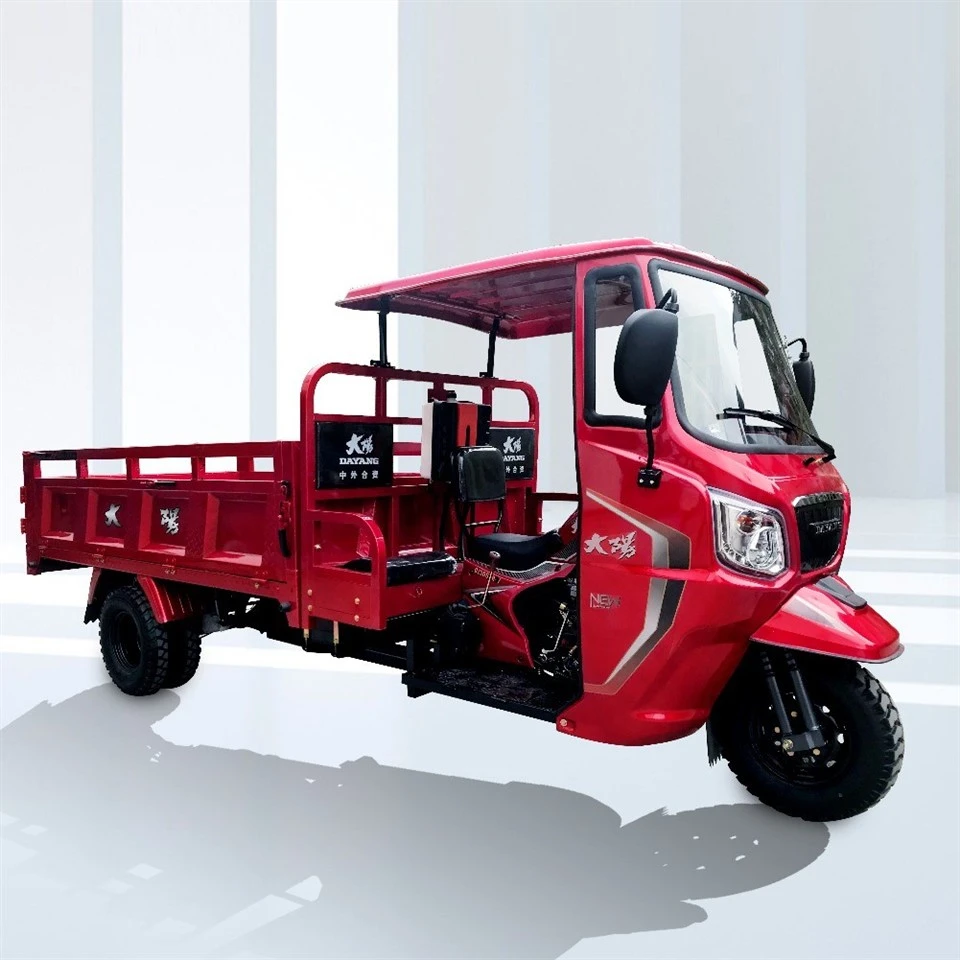
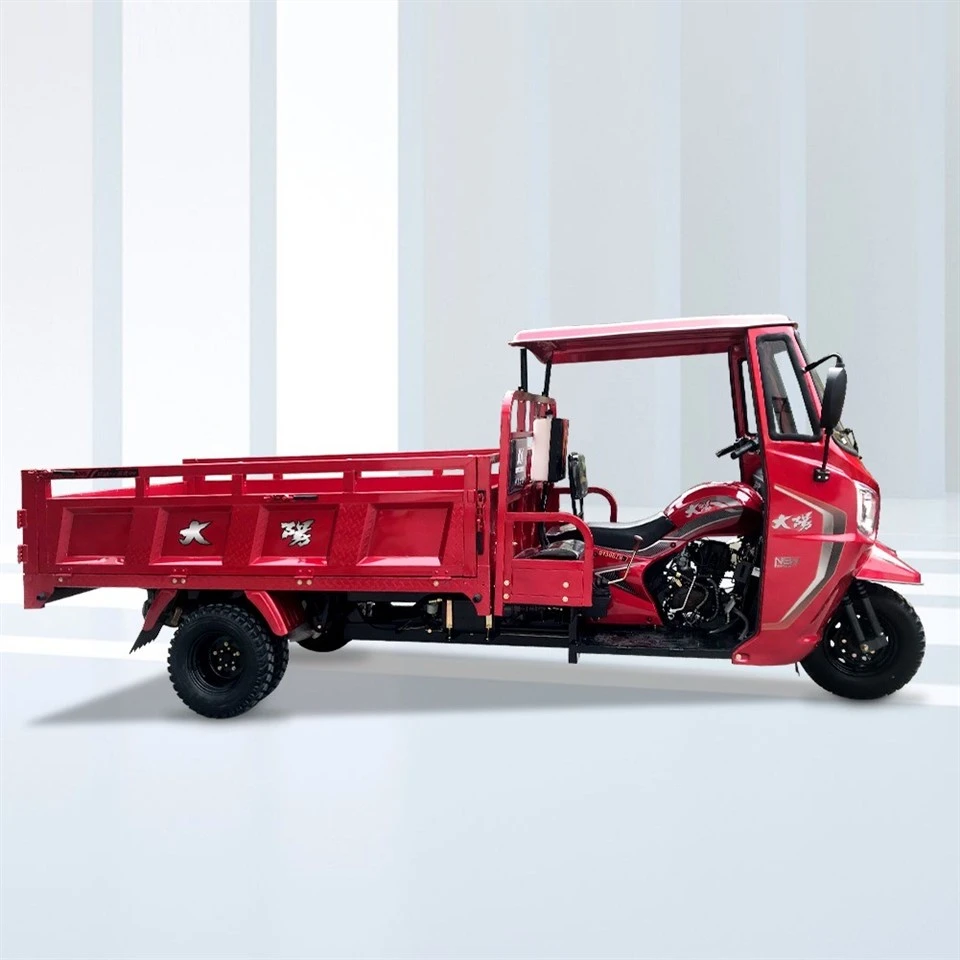
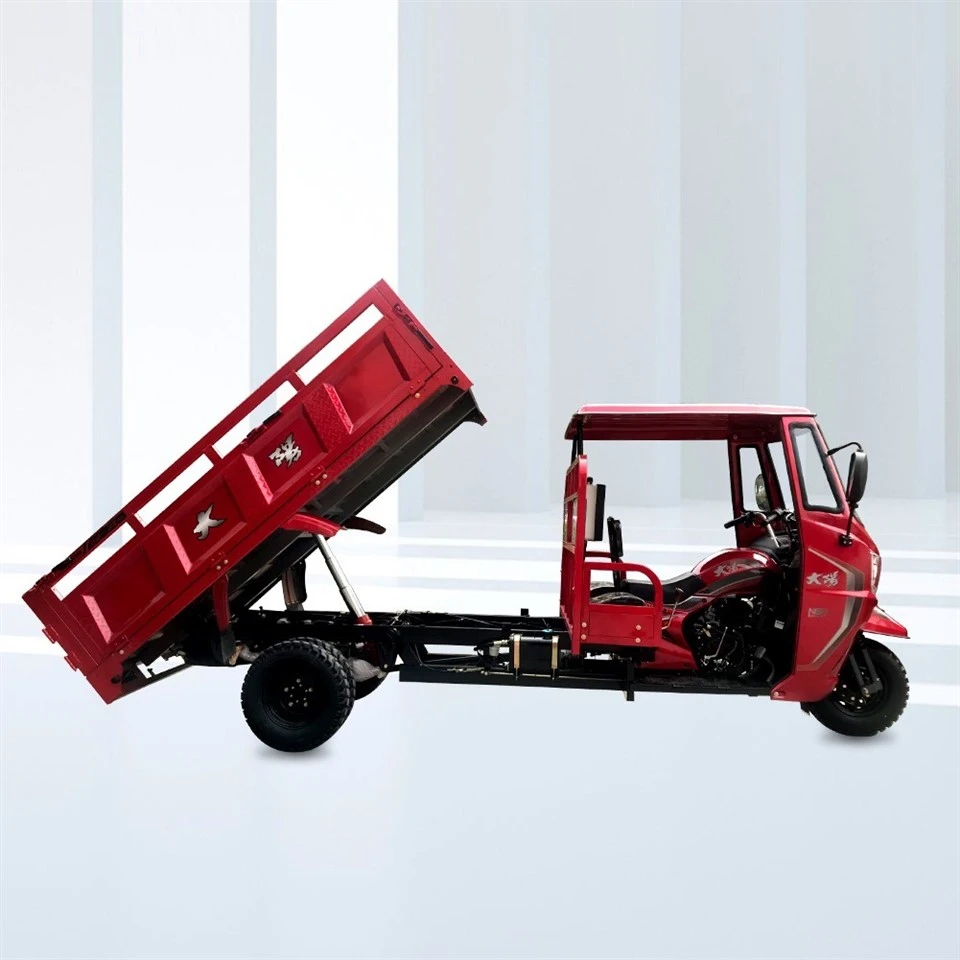
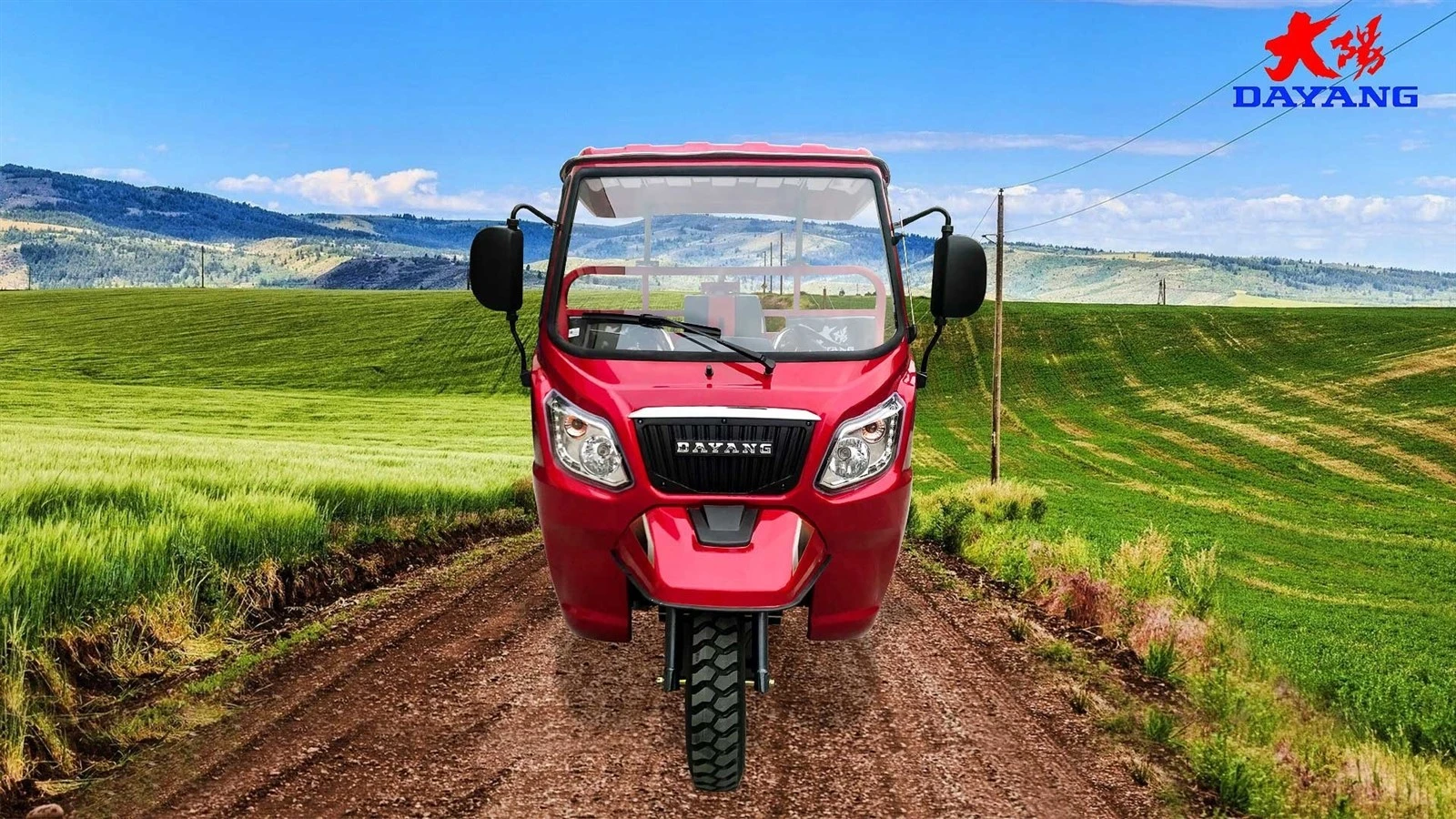
250cc 300cc 350cc gasoline petrol motocicleta tricar de cargo
| Engine | 250cc,water-cooling |
| Chassis | 50*100 |
| Rear- Axle | Intergral booster drum,Φ220 |
| Operating model | Handle (optional Car Steering Wheel) |
| Front Shock Absorber | 06 type spring |
| Rear Spring Leafs | 5+2 |
| Rear Brake | Hydraulic |
| Wheels Type | Three |
| Front/Rear Tire | 4.5-12/4.5-12 |
Production process:
The first step in production is design and development, which is the core foundation of the entire process. Engineers conduct innovative vehicle designs based on market research and customer needs. The capacity design of the water tank needs to be accurately calculated to meet the needs of different scenarios, such as cleaning, irrigation or water transportation services. The overall frame, chassis and cockpit of the vehicle need to be repeatedly optimized through professional 3D modeling and engineering simulation technology to ensure its strength and durability. In addition, the material and shape of the water tank need to undergo mechanical analysis to ensure stability and anti-tipping performance during transportation, while also meeting the requirements of corrosion resistance and easy cleaning. During the research and development stage, the vehicle's power system, water circulation cooling system and braking system were also carefully designed to ensure strong power and safe driving. Ultimately, the R&D team will verify through sample testing whether each design meets the high standards for actual use.
The second step of production is material selection and parts processing, which directly determines the quality and service life of the vehicle. The main frame of the vehicle is made of high-quality thickened steel, which has high strength and impact resistance, ensuring that it can carry heavier water tanks and cargo. Water tank materials are usually made of high-quality anti-corrosion metal or plastic to meet the anti-oxidation needs of holding water for a long time. After selecting the material, enter the parts processing stage. The steel is cut, bent and welded to form the frame, while the water tank is precision welded and surface polished to ensure sealing and safety. At the same time, power system components such as engine casings, transmission system gears, and brake discs in the braking system need to be processed by high-precision equipment and meet strict tolerance standards. After each part is processed, it needs to be quality inspected to ensure there are no cracks, deformations or defects.
Assembly is the core stage of the entire production process and determines the performance and functionality of the entire vehicle. During the assembly process, the frame and chassis are first fixed to form the basic framework of the vehicle. The water tank is then firmly mounted on the frame, using high-strength fasteners and support structures to ensure the stability of the water tank during driving. Next is the installation of the power system, including matching the engine, water-cooled radiator and transmission system to ensure that the vehicle has sufficient traction and power output. In addition, the vehicle's suspension and braking systems, such as dual hydraulic shock absorbers on the front wheels and powerful brakes on the rear wheels, are also installed and adjusted to optimal conditions at this stage. The assembly of the cockpit part includes the installation of seats, electrical instrument panels, operating levers or steering wheels. After all assembly is completed, the basic functions of the vehicle have been formed and are ready for the next step of processing.
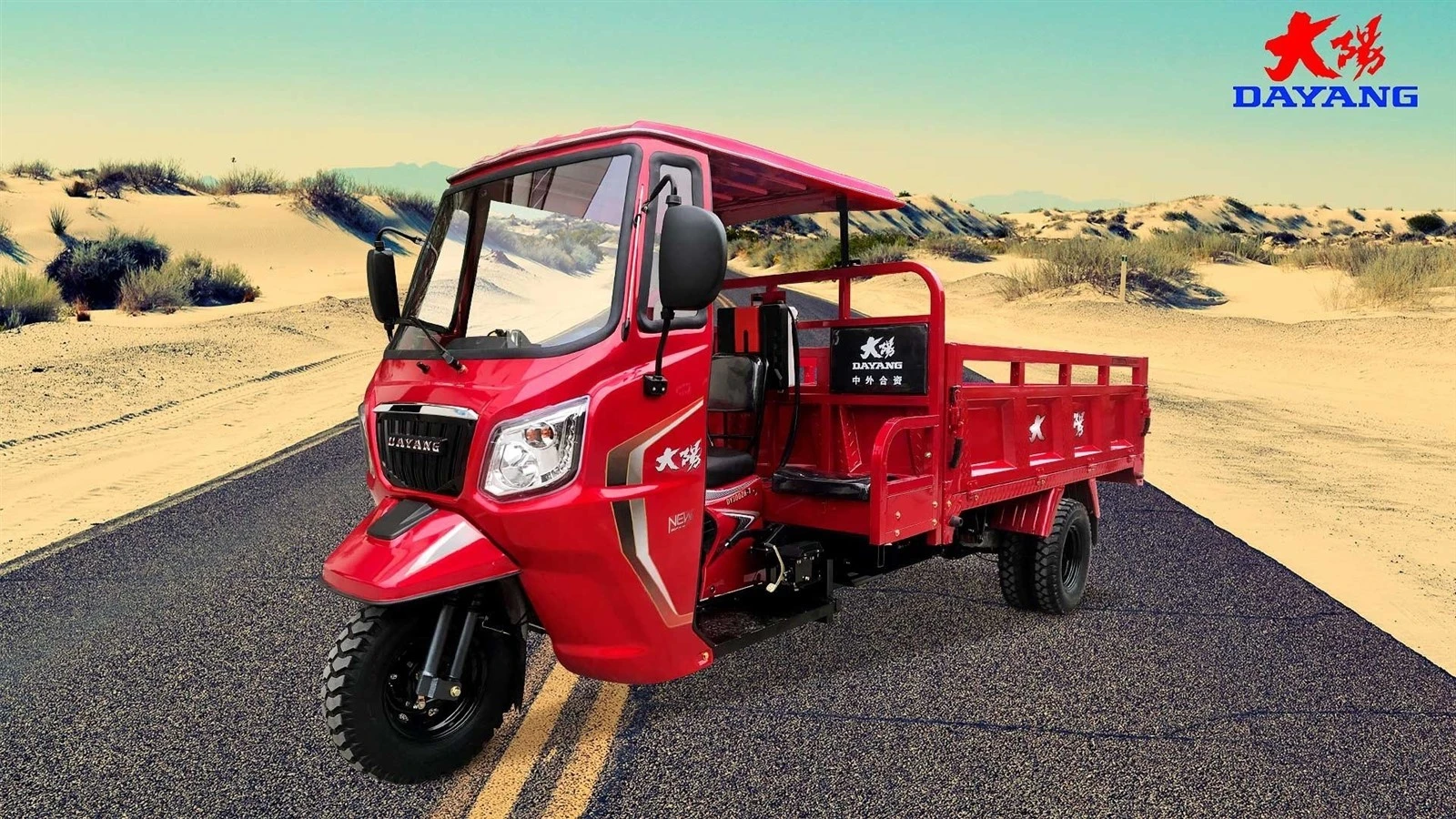
The 250cc, 300cc, and 350cc gasoline-powered carga motore tricar models are equipped with a radiator designed with careful attention to functionality and durability. The radiator is positioned parallel to the front beam of the keel, which helps prevent interference with both the front fender and the exhaust pipe. To further enhance the longevity of the radiator, rubber pads are placed at the connection points to minimize the impact of vibrations, reducing the risk of damage over time. This thoughtful design ensures that the vehicle can perform reliably, even under tough conditions.250cc,300cc 和 350cc carga motore tricar
In terms of visibility and safety, these carga motore tricar models are fitted with a dual headlight system that significantly improves night driving performance. The dual headlight design not only increases luminous intensity but also extends the illumination distance, providing better visibility on dark or poorly lit roads. This feature enhances driver safety, ensuring clear sightlines during nighttime operations. Additionally, the stylish and modern appearance of the headlights adds to the vehicle's overall aesthetic appeal. A key advantage of the dual headlight system is that if one light fails, the other remains operational, ensuring continuous visibility without compromising safety
Product advantages:
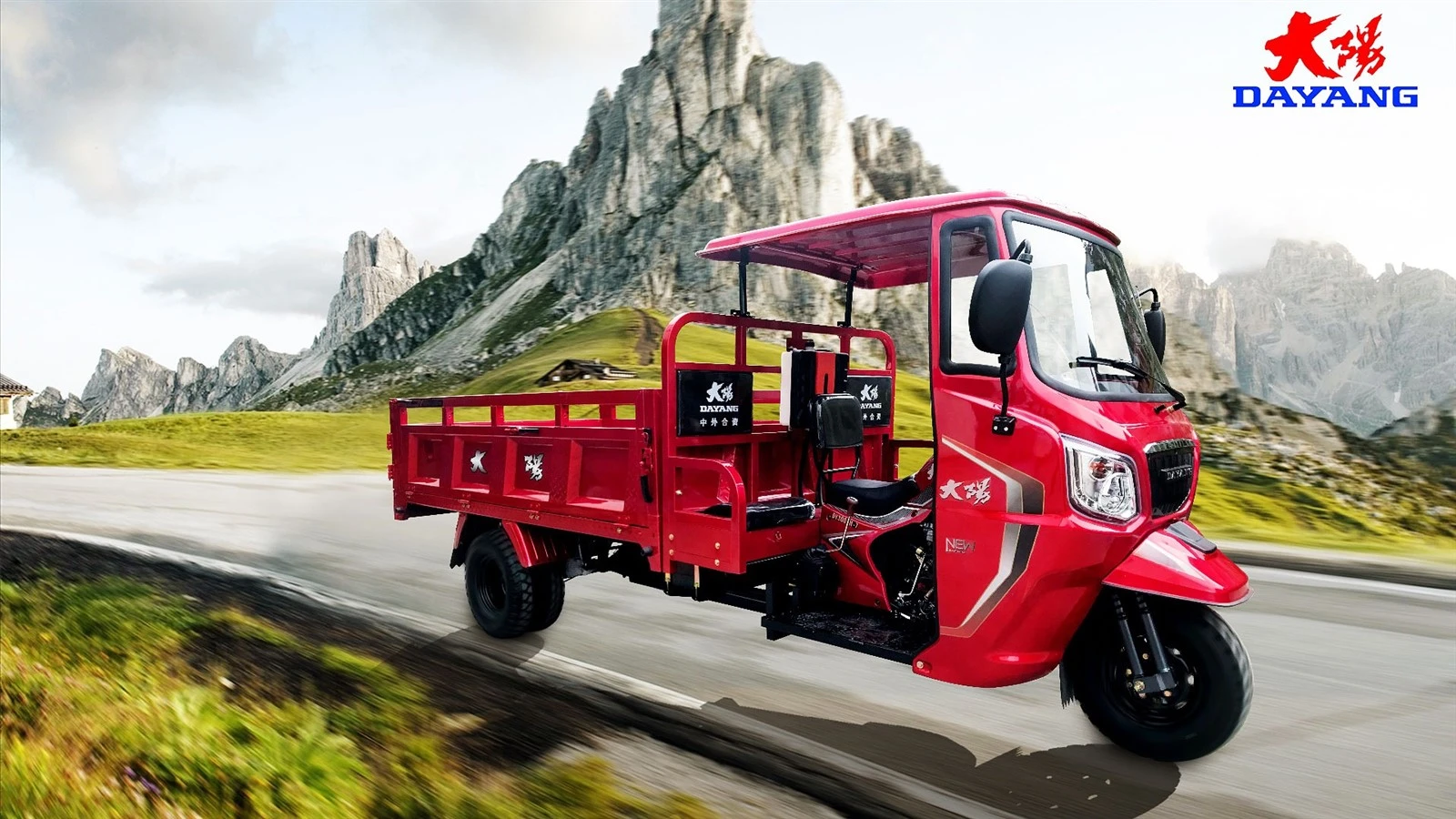
First, flexibility and maneuverability are one of the biggest advantages of a three-wheel cargo motorcycle. Compared with traditional four-wheeled trucks, three-wheeled motorcycles are smaller and can easily travel through the narrow streets and alleys of the city. Especially during peak traffic hours, three-wheeled motorcycles can effectively bypass congested roads and save delivery costs. time. Therefore, it has unparalleled advantages in rapid distribution within the city, especially in the transportation of goods in the central area of the city.
Secondly, low cost is another important feature of three-wheel cargo motorcycles. Three-wheelers are much less expensive to acquire and operate than traditional trucks. It consumes less fuel and is cheaper to maintain than a four-wheel vehicle. This makes three-wheeled motorcycles the first choice for small businesses and individual merchants, especially when transporting small quantities of goods, which can effectively reduce transportation costs and improve operational efficiency.
Third, environmental protection is also a highlight of three-wheeled cargo motorcycles. As environmental protection policies become increasingly strict, the emergence of electric three-wheel cargo motorcycles has greatly reduced the pollution emissions of traditional internal combustion engine vehicles. This makes three-wheeled motorcycles a driving force for environmental protection policies in many cities, especially in reducing urban air pollution and noise pollution. In addition, the charging cost of electric three-wheeled motorcycles is also much lower than that of traditional fuel motorcycles, further improving their economy.
Fourth, strong adaptability. Three-wheeled motorcycles have a relatively large load capacity and cargo transportation space, and can adapt to the transportation needs of different types of goods. From small household appliances, food, retail goods to small household equipment, etc., three-wheeled motorcycles can flexibly meet distribution needs, and are especially suitable for e-commerce logistics, express delivery companies and regional distribution services.
Quality control:
1. Structural and body inspection
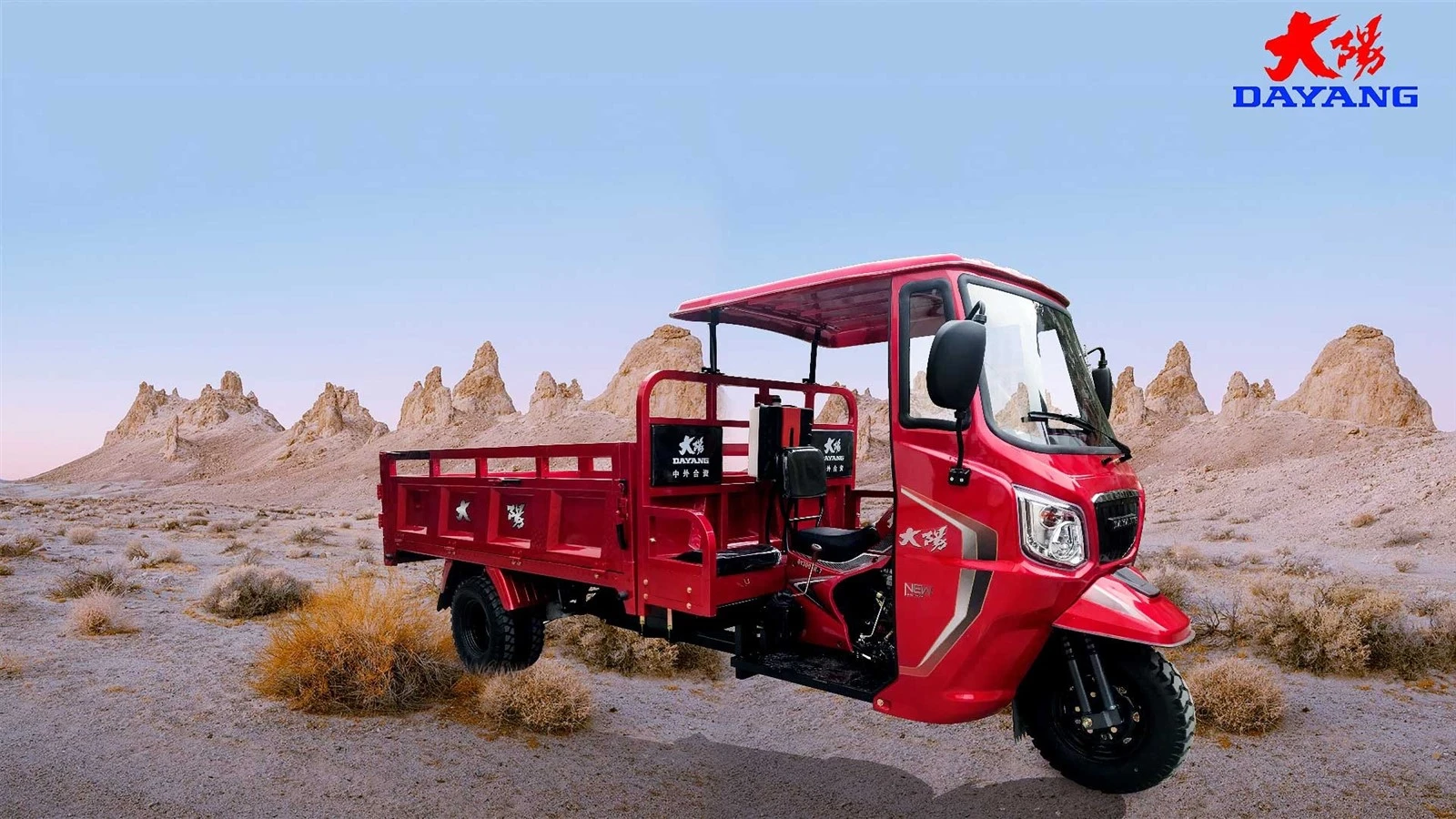
During a structural and body inspection, the focus is on ensuring that the frame, chassis, and other structural components are free of any defects. First, check the frame for poor welding, cracks, or deformations to ensure it can withstand the heavy load pressure you may encounter during transportation. Especially in load-bearing parts, such as wheel bearings, chassis joints, etc., it is necessary to focus on checking whether there are cracks or material fatigue. The reinforcement design of the chassis and body should be checked for compliance with the weight and usage conditions, especially the vibrations and impacts that may be encountered during transportation. Ensure that body components such as the roof, side doors and other components are installed securely to prevent them from falling off or loosening due to vibration or collision during transportation.
2. Engine and power system
The engine is the core component of a three-wheel cargo motorcycle, and its performance directly affects the working efficiency and reliability of the entire vehicle. During quality inspection, we focus on comprehensive testing of the engine, including starting performance, running smoothness and emission testing. First, check whether the engine starts smoothly and whether there are any abnormal sounds or oil leakage. Then, check whether the power output is smooth and whether there are problems such as slow acceleration and insufficient power. The transmission system includes transmission, clutch and drive chain, etc., which need to ensure that it can shift gears smoothly and transmit power. The engine's cooling system should be checked to see if it is working properly. The performance of the radiator and fan must meet standards to prevent overheating.
3. Braking system
Inspection of the braking system is a key link to ensure vehicle safety, especially for heavy-duty three-wheeled motorcycles, the performance of the braking system is crucial. Check the sensitivity, braking distance and uniformity of the front and rear brakes. In particular, the hydraulic brake system and anti-lock braking system (ABS) need to be inspected to ensure that the vehicle can effectively brake during emergency braking and will not slip or lose control. The level of brake fluid, the wear of brake discs and brake pads also need to be checked, and whether there is oil leakage or blockage in the brake system pipelines. During the inspection process, actual road tests are conducted to test the actual performance of the braking system to ensure its safety and reliability.
Hot Tags: 250cc 300cc 350cc economical, durable customized three-wheel motorcycle, China, suppliers, manufacturers, factory, customized, high quality, for sale, 300cc cargo motor tricycle, Powerful engine cargo tricycle, 250cc Cargo Tricycle for Adults, Strengthed Cargo load Tricycle, Classic loading Motor Tricycle, 250cc Energy Tricycle