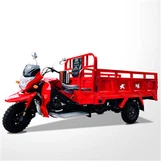


250cc 300cc 350cc gasoline petrol cargo chargement triciclo moto
china hot selling 250cc 300cc 350cc gasoline petrol cargo chargement triciclo moto
| Engine | 300cc,water-cooling |
| Chassis | 50*100 |
| Rear- Axle | Intergral booster drum,Φ220 |
| Cabin | Semi cabin, iron material |
| Operating model | Handle (optional Car Steering Wheel) |
| Front Shock Absorber | Hydraulic spring(Double) |
| Rear Spring Leafs | 5+3 |
| Front Brake | Drum |
| Rear Brake | Hydraulic |
| Wheels Type | Five |
| Front/Rear Tire | 5.5-12/5..5-12 |

250cc 300cc 350cc gasoline petrol cargo chargement triciclo moto
Our 250cc gasoline petrol cargo chargement triciclo moto,300cc gasoline petrol cargo chargement triciclo moto,350cc gasoline petrol cargo chargement triciclo moto 300cc engine and water cooling function provide efficient and reliable performance. The 50x100 size chassis adds stability and durability to cycling.
The integrated power drum with a diameter of 220 on the rear axle of the 250cc gasoline petrol cargo chargement triciclo moto,300cc gasoline petrol cargo chargement triciclo moto,350cc gasoline petrol cargo chargement triciclo moto ensures a smooth and sensitive braking system, improving the safety of both the driver and passengers. The half cabin made of iron material provides a comfortable and safe riding experience.
The operation mode of the joystick or optional car steering wheel enables the driver to better control and manipulate the vehicle. The hydraulic spring dual front shock absorber and 5+3 rear spring make the ride more comfortable and safe.

250cc 300cc 350cc gasoline petrol cargo chargement triciclo moto
Product advantages:
1, Excellent power performance
Strong power output: The 300cc displacement provides ample power, allowing the tricycle to easily handle various road conditions and load requirements. Whether on flat roads or rugged mountain roads, 300cc tricycles can demonstrate excellent acceleration and climbing capabilities.
Efficient fuel economy: Some 300cc tricycles adopt advanced engine technology and fuel injection systems, such as Delphi electronic fuel injection technology, which makes fuel consumption more economical and reduces operating costs.
Body structure and safety:
The vehicle adopts a frame-type body structure with super strong load-bearing capacity, combined with a thickened chassis and strengthened suspension system, which provides reliable guarantee for heavy-duty transportation. The cab has undergone rigorous crash tests, and its anti-collision beam design can effectively absorb impact forces, thereby improving collision safety. The equipped anti-lock braking system (ABS) and hydraulic power-assisted braking system enable the vehicle to maintain good braking performance even under heavy load. The side doors and roof are equipped with anti-rollover reinforced designs, further improving the overall safety of the vehicle. In addition, the car lighting system uses high-brightness LED light sets to ensure clear vision when driving at night.

250cc 300cc 350cc gasoline petrol cargo chargement triciclo moto
production process:
1. Design and R&D
The first step in production is design and development, which is the core foundation of the entire process. Engineers conduct innovative vehicle designs based on market research and customer needs. The capacity design of the water tank needs to be accurately calculated to meet the needs of different scenarios, such as cleaning, irrigation or water transportation services. The overall frame, chassis and cockpit of the vehicle need to be repeatedly optimized through professional 3D modeling and engineering simulation technology to ensure its strength and durability. In addition, the material and shape of the water tank need to undergo mechanical analysis to ensure stability and anti-tipping performance during transportation, while also meeting the requirements of corrosion resistance and easy cleaning. During the research and development stage, the vehicle's power system, water circulation cooling system and braking system were also carefully designed to ensure strong power and safe driving. Ultimately, the R&D team will verify through sample testing whether each design meets the high standards for actual use.
2. Material selection and parts processing
The second step of production is material selection and parts processing, which directly determines the quality and service life of the vehicle. The main frame of the vehicle is made of high-quality thickened steel, which has high strength and impact resistance, ensuring that it can carry heavier water tanks and cargo. Water tank materials are usually made of high-quality anti-corrosion metal or plastic to meet the anti-oxidation needs of holding water for a long time. After selecting the material, enter the parts processing stage. The steel is cut, bent and welded to form the frame, while the water tank is precision welded and surface polished to ensure sealing and safety. At the same time, power system components such as engine casings, transmission system gears, and brake discs in the braking system need to be processed by high-precision equipment and meet strict tolerance standards. After each part is processed, it needs to be quality inspected to ensure there are no cracks, deformations or defects.
3. Assembly and vehicle assembly
Assembly is the core stage of the entire production process and determines the performance and functionality of the entire vehicle. During the assembly process, the frame and chassis are first fixed to form the basic framework of the vehicle. The water tank is then firmly mounted on the frame, using high-strength fasteners and support structures to ensure the stability of the water tank during driving. Next is the installation of the power system, including matching the engine, water-cooled radiator and transmission system to ensure that the vehicle has sufficient traction and power output. In addition, the vehicle's suspension and braking systems, such as dual hydraulic shock absorbers on the front wheels and powerful brakes on the rear wheels, are also installed and adjusted to optimal conditions at this stage. The assembly of the cockpit part includes the installation of seats, electrical instrument panels, operating levers or steering wheels. After all assembly is completed, the basic functions of the vehicle have taken shape and are ready for the next step of processing.
4. Spraying and surface treatment
The spraying and surface treatment process not only improves the aesthetics of the vehicle, but also significantly enhances its anti-corrosion performance. Before spraying, all body and water tank parts will undergo strict anti-rust treatment, including pickling, phosphating and surface polishing to remove impurities and oxide layers on the material surface. Subsequently, the vehicle enters the spraying process, using environmentally friendly high-strength paint for multi-layer spraying. After spraying is completed, all parts need to be baked at high temperatures to ensure a more uniform and durable paint surface. The choice of white paint not only highlights the simplicity and high-end quality of the vehicle, but also makes it suitable for a variety of usage scenarios, such as urban streets and rural environments. After spraying, gloss and adhesion testing will also be carried out to ensure that the coating quality meets high standards and will not peel off or fade easily during long-term use.
5. Quality inspection and delivery
The final step is comprehensive quality inspection and factory process. After the vehicle is assembled and painted, a number of functional tests and performance inspections are required. For example, the engine start test ensures that its power output is normal, the brake system test verifies brake sensitivity, the suspension system test ensures driving stability, and the water tank seal test checks whether there is any leakage problem. In addition, vehicles also need to pass durability tests that simulate complex road conditions to ensure that they can perform well in various environments. After passing the inspection, the vehicle will be cleaned and branded, and then enter the packaging and shipping process. Before each vehicle leaves the factory, it will come with a detailed instruction manual and warranty policy to provide customers with peace of mind. This step ensures that every tricycle that leaves the factory meets high quality standards and meets customer expectations.

Packaging and Shipping:
Warehouse packaging: According to the model of the tricycle, place the certificate of conformity, warranty card, and accompanying accessories inside. Then pack it to ensure that it will not be damaged during transportation.
Logistics delivery: After the distributor places an order through the enterprise system, the enterprise generates a delivery note, which is then uniformly shipped by the logistics department. This step requires ensuring timely and accurate delivery.
In summary, the production process of tricycles is a complex and intricate process that requires close collaboration among multiple departments and teams. Each step requires strict adherence to design requirements and technical standards to ensure the quality and performance of the final product.
Radiator we use fixed pitch to make sure it didn't touch the fender and exhaust pipe let radiator get a better condition to cool down the engine and does not interfere other parts
Hot Tags: 250cc 300cc 350cc custom freight tricycle at factory price, China, suppliers, manufacturers, factory, customized, high quality, for sale, Motorized 3 Wheel Motorcycle, Cargo Tricycles, gas powered cargo tricycle, motorized cargo 300cc tricycles, 250cc Motor Tricycle for Cargo, 3 Wheel Motorcycle